Quick Answer: What Are Qantas Baggage Fees?
Your Qantas baggage allowance depends on your route, fare type, cabin class, and Frequent Flyer status. Most Qantas fares include both carry-on baggage and checked baggage, but the allowance isn’t the same for every passenger. You’ll usually pay extra only if you bring more bags than your ticket includes, exceed the weight or size limits, or travel with oversized baggage.
For the most accurate baggage allowance, always check your booking before you travel, as allowances can vary by route and fare.
Qantas Baggage Allowance at a Glance
| Travel Class | Carry-On | Checked Baggage* |
| Economy | Included | Varies by fare and route |
| Premium Economy | Included | Higher allowance than Economy |
| Business | Included | Higher allowance than Premium Economy |
| First | Included | Highest baggage allowance |
*Checked baggage allowances differ depending on whether you’re travelling within Australia or internationally.
How Does the Qantas Baggage Policy Work?
Qantas uses different baggage rules depending on where you’re flying.
The airline generally follows one of two baggage systems:
- Piece system – You’re allowed a certain number of checked bags, with a maximum weight for each bag.
- Weight system – You’re given a total baggage weight allowance, which can usually be divided across multiple bags.
In simple terms:
- Most domestic Australian flights and services to or from the Americas generally use the piece system.
- Many other international routes use the weight system.
This means two passengers travelling in Economy may have different baggage allowances simply because they’re flying to different destinations.
What Checked Baggage Is Included?
Most Qantas fares include checked baggage, but the allowance depends on your destination and cabin class.
Economy passengers usually receive the standard checked baggage allowance for their route. Premium Economy, Business, and First Class passengers receive progressively higher allowances.
Your booking confirmation will always show the allowance that applies to your ticket.
Checked Baggage Comparison
| Route | Economy | Premium Economy | Business | First |
| Domestic Australia | Standard allowance | Higher allowance | Higher allowance | Varies by aircraft |
| International (Weight System) | Standard weight allowance | Increased allowance | Higher allowance | Highest allowance |
| Americas (Piece System) | Standard piece allowance | More checked bags | More checked bags | Highest piece allowance |
The exact allowance may vary depending on your fare type, destination, and Frequent Flyer benefits.
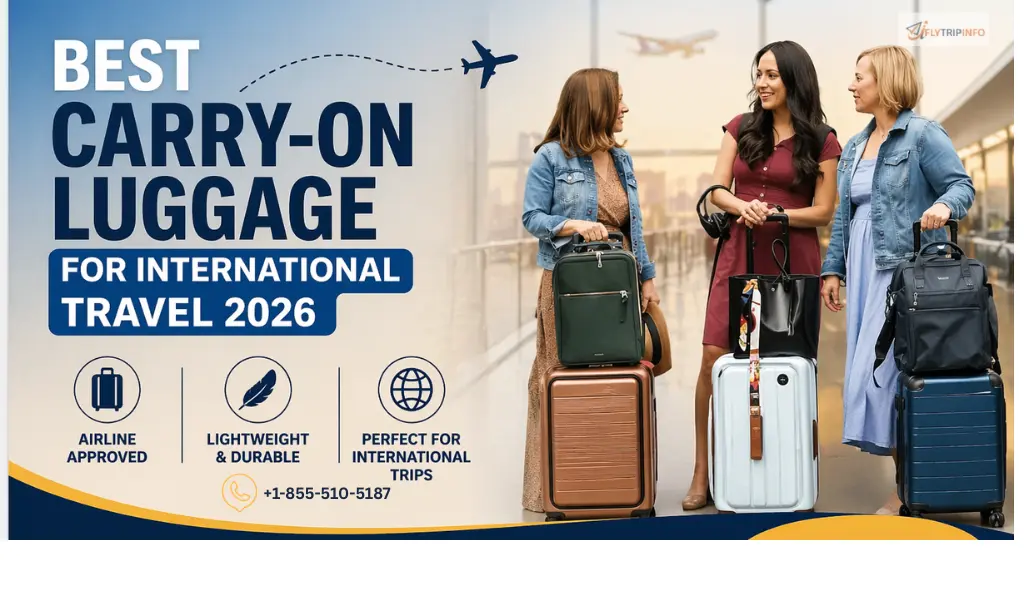
What Is the Qantas Carry-On Baggage Allowance?
Every Qantas passenger can bring cabin baggage, but the number of bags and weight limit depend on the aircraft and cabin class.
Most passengers can bring:
- a cabin bag that fits in the overhead locker
- and, where permitted, a small personal item such as a handbag or laptop bag.
Premium cabins generally receive a more generous carry-on allowance than Economy.
Carry-On Allowance Overview
| Cabin | Carry-On Allowance |
| Economy | Standard cabin baggage allowance |
| Premium Economy | Increased cabin baggage allowance |
| Business | Larger carry-on allowance |
| First | Highest cabin baggage allowance |
Some regional aircraft have smaller overhead lockers, so cabin baggage limits may be more restrictive on those flights.
For detailed cabin baggage dimensions, weight limits, and personal item rules, see our Qantas Carry-On Rules guide.
What Are the Qantas Baggage Size and Weight Limits?
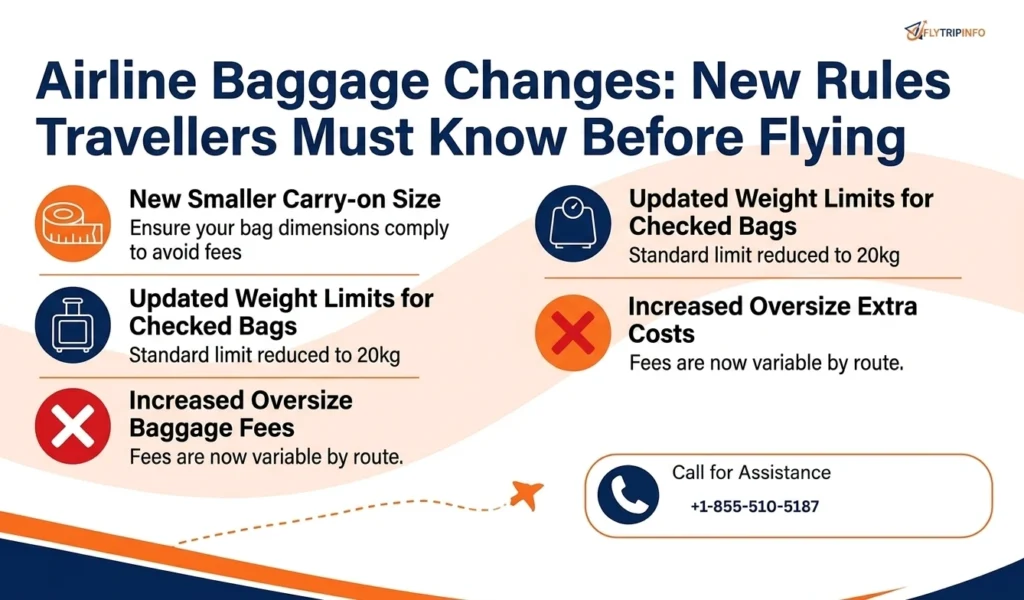
Every checked and carry-on bag must stay within Qantas’ published size and weight limits.
For checked baggage:
- each bag has a maximum permitted weight,
- oversized baggage may attract additional charges,
- and no individual checked bag can exceed the airline’s maximum accepted weight.
For carry-on baggage:
- bags must fit in the overhead locker or underneath the seat,
- wheels and handles count towards the total dimensions,
- and cabin baggage may be checked at the gate if it exceeds the allowed size or weight.
Measuring and weighing your bags at home is one of the easiest ways to avoid unexpected baggage charges at the airport.
When Do You Have to Pay Extra Baggage Fees?
You’ll normally pay additional baggage charges when your luggage exceeds the allowance included with your ticket.
Common situations include:
- bringing more checked bags than your fare allows
- carrying overweight baggage
- travelling with oversized luggage
- adding sports equipment or other large items that exceed the standard allowance
- purchasing baggage at the airport instead of before departure
If you already know you’ll need additional baggage, buying it before your flight is usually more affordable than waiting until check-in.
Can You Buy Extra Baggage Before Your Flight?
Yes. If you know you’ll need more baggage, it’s usually cheaper to add it before you arrive at the airport.
In most cases, you can purchase additional baggage:
- during booking,
- after booking through Manage Booking,
- or before online check-in closes.
The exact cost depends on several factors, including:
- your destination,
- domestic or international travel,
- fare type,
- and how much additional baggage you need.
Airport baggage charges are generally higher than purchasing baggage in advance, so planning ahead can help reduce your travel costs.
What Happens if Your Bag Is Overweight or Oversized?
If your baggage exceeds the allowed weight or size, additional charges may apply.
Qantas treats overweight and oversized baggage differently.
You may be charged if:
- your checked bag weighs more than your included allowance,
- your suitcase exceeds the permitted dimensions,
- or you’re travelling with bulky items that require special handling.
If a bag exceeds the airline’s maximum accepted weight, it may need to be repacked before it can be checked in.
Weighing and measuring your bags before leaving home can help you avoid delays at the airport.
Do Frequent Flyer Members Get Extra Baggage?
Often, yes. Many Qantas Frequent Flyer members receive additional baggage benefits depending on their membership tier.
Depending on your status, you may receive:
- a higher checked baggage allowance,
- additional baggage pieces,
- or extra weight on eligible flights.
Qantas Club members may also receive baggage benefits on selected services.
Your confirmed baggage allowance will appear in Manage Booking, making it easy to see what applies to your ticket.
Can You Travel With Sports Equipment?
Yes. Many sporting items can travel as checked baggage if they meet Qantas’ size and weight requirements.
Common sporting equipment includes:
- golf clubs,
- skis,
- bicycles,
- surfboards,
- fishing equipment,
- and snow sports gear.
In many cases, sporting equipment counts towards your checked baggage allowance. However, oversized items or equipment that exceeds the airline’s limits may require additional charges or special handling.
If you’re travelling with large equipment, it’s a good idea to check the requirements before your travel date.
Can You Bring Musical Instruments?
Yes. Small musical instruments may travel in the cabin if they fit within the carry-on baggage limits.
Larger instruments may need to:
- travel as checked baggage,
- be packed in a protective case,
- or have an additional seat purchased if they’re too large or fragile for the baggage hold.
If you’re travelling with a valuable instrument, contact Qantas before departure to confirm the available options.
What About Baby Items?
Parents travelling with infants can usually bring essential baby equipment without using their standard baggage allowance.
Depending on your route, you may be able to check items such as:
- a stroller,
- a car seat,
- a bassinet,
- or other approved infant equipment.
The exact allowance varies between domestic and international flights, so it’s worth checking your booking before you travel.
Can You Travel With Mobility Aids?
Yes. Mobility aids and medical equipment required for personal use are generally carried free of charge.
Items such as wheelchairs, walking aids, and other approved mobility equipment usually don’t count towards your standard baggage allowance.
If you require assistance at the airport, notify Qantas before your flight so appropriate arrangements can be made.
Do Baggage Rules Change on Connecting Flights?
Sometimes. If your journey includes another airline, different baggage rules may apply.
This is common when travelling on:
- codeshare flights,
- partner airlines,
- or multi-airline international itineraries.
On some journeys, the baggage policy of the airline operating the longest or most significant part of your trip applies. On others, the operating airline for each flight may have its own baggage rules.
If your itinerary includes more than one airline, always check the baggage allowance shown on your booking rather than assuming the same rules apply throughout your journey.
If your trip includes cabin baggage only, don’t forget to read our Qantas Carry-On Rules guide before you travel.
Domestic vs International: What’s the Difference?
The biggest difference is how Qantas calculates your checked baggage allowance.
Domestic and international flights don’t always follow the same baggage rules. Depending on your destination, your allowance may be based on either the number of bags you can check or the total weight you’re allowed to carry.
| Feature | Domestic Flights | International Flights |
| Checked baggage | Varies by fare | Varies by fare and destination |
| Baggage system | Often piece-based | Weight or piece system depending on route |
| Carry-on | Included | Included |
| Frequent Flyer benefits | Available on eligible fares | Available on eligible fares |
If your journey includes both domestic and international flights on the same booking, your baggage allowance may differ from a standalone domestic flight. Always check the allowance shown on your itinerary.
Which Option Fits Your Trip?
Flying within Australia?
If you’re taking a short domestic trip, the baggage included with your fare may be all you need. Weigh your suitcase before leaving home to avoid paying for excess baggage at the airport.
Travelling internationally?
Before packing, check whether your route uses the weight system or the piece system. This helps you decide whether it’s better to pack everything into one suitcase or spread it across multiple bags.
Taking sports equipment?
Items such as golf clubs or skis may count towards your checked baggage allowance. If you’re travelling with larger equipment like a bicycle or surfboard, review the baggage rules before you travel.
Flying with a baby?
Check what baby items are included with your ticket. Strollers and car seats are often accepted without using your standard baggage allowance, but the rules can vary depending on your route.
Tips to Reduce Qantas Baggage Fees
A little planning can help you avoid unnecessary baggage charges.
- Check your baggage allowance before you start packing.
- Buy extra baggage online instead of waiting until the airport.
- Weigh and measure your bags at home.
- Spread the weight evenly if you’re travelling on a weight-based route.
- Keep valuables, medication, and travel documents in your carry-on bag.
- Review baggage rules if part of your journey is operated by another airline.
- Check whether your Frequent Flyer status gives you extra baggage benefits.
Before You Travel
Before leaving for the airport, take a few minutes to review your baggage.
✔ Confirm your baggage allowance in Manage Booking.
✔ Weigh your checked bags.
✔ Measure large suitcases, including wheels and handles.
✔ Add extra baggage online if needed.
✔ Pack valuables and essential medication in your cabin bag.
✔ Check baggage rules for any partner airlines on your itinerary.
Learn more about Qantas Carry-On Rules, Qantas Seat Selection Guide, or compare baggage policies in our Airline Baggage Fees.
Key Takeaways
- Your baggage allowance depends on your fare, route, and cabin class.
- Domestic and international flights may have different baggage rules.
- Extra, overweight, and oversized bags usually incur additional fees.
- Buying extra baggage online is generally cheaper than paying at the airport.
- Check your booking before you travel, especially if your journey includes partner airlines.
Frequently Asked Questions (FAQs)
Does Qantas include checked baggage on all fares?
Most Qantas fares include checked baggage, but the allowance depends on your fare type, cabin class, and route. Always check your booking confirmation or Manage Booking to see exactly what is included.
What is the maximum weight for a Qantas checked bag?
A single checked bag cannot weigh more than 32 kg. Bags over this limit must be repacked or transported as freight.
Can I buy extra baggage after booking my Qantas flight?
Yes. You can usually add extra baggage through Manage Booking before departure. Purchasing it in advance is generally more affordable than paying airport baggage charges.
How much does Qantas charge for extra baggage?
Qantas does not have one fixed extra baggage fee. The cost depends on your route, fare type, destination, and when you purchase additional baggage. Buying extra baggage online before your flight is usually cheaper than paying at the airport.
Does Qantas use different baggage rules for domestic and international flights?
Yes. Domestic and international services may have different baggage allowances. International flights also use different baggage systems depending on the destination, so always check the allowance for your specific itinerary.
Do Qantas Frequent Flyer members receive extra baggage?
Eligible Qantas Frequent Flyer members and Qantas Club members may receive additional baggage benefits depending on their membership tier, fare type, and the flight they are traveling on.
FlyTripInfo.com provides independent travel information and is not affiliated with Qantas Airways.
The information on this page is provided for general travel guidance only. Baggage allowances, baggage fees, carry-on limits, checked baggage policies, and fare inclusions may change without notice. Travelers should always verify the latest baggage rules, fees, and allowance for their specific itinerary directly with Qantas before departure, especially when traveling on codeshare or partner-operated flights.
 US +1-855-510-5187