Carry-on rules may vary for partner-operated flights or due to operational requirements. Always check your booking before departure.
Quick Answer: What Are the Hawaiian Airlines Carry-On Rules?
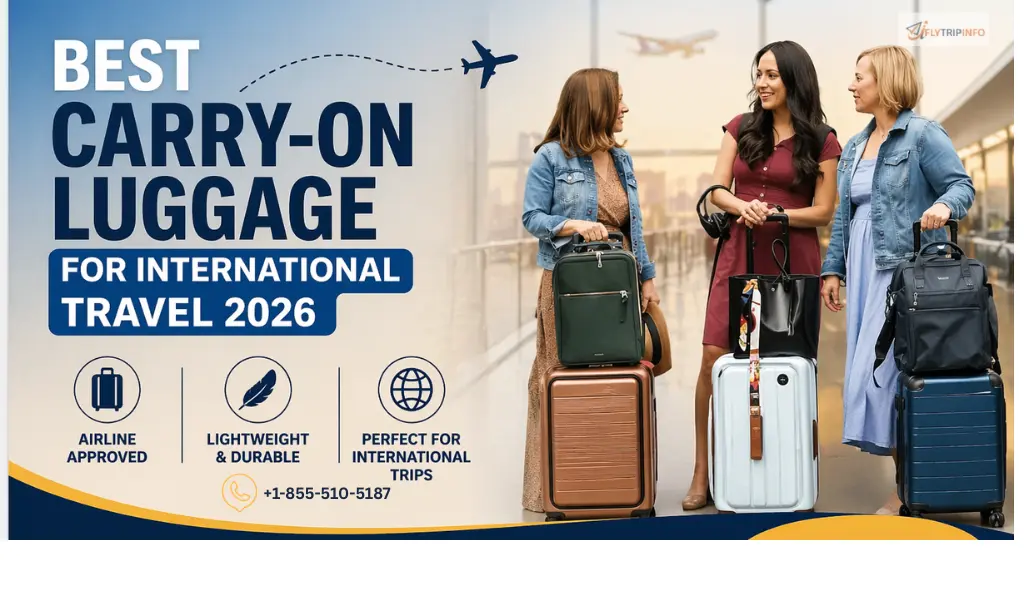
Most Hawaiian Airlines passengers can bring one carry-on bag and one personal item free of charge. Your carry-on must not exceed 22 × 14 × 9 inches (56 × 36 × 23 cm), including wheels and handles, and should weigh no more than 25 lbs (11.3 kg). Your personal item must fit under the seat in front of you.
Hawaiian Airlines Carry-On Rules at a Glance
| Item | Allowance |
| Carry-on bag | 1 free |
| Personal item | 1 free |
| Carry-on size | 22 × 14 × 9 in (56 × 36 × 23 cm) |
| Carry-on weight | 25 lbs (11.3 kg) |
| Personal item | Must fit under the seat |
| Cabin storage | Overhead bin |
| Liquids | TSA 3-1-1 rules apply |
| Power banks | Carry-on only |
| Gate check | May apply if bins are full or bag exceeds limits |
What Counts as a Carry-On Bag?
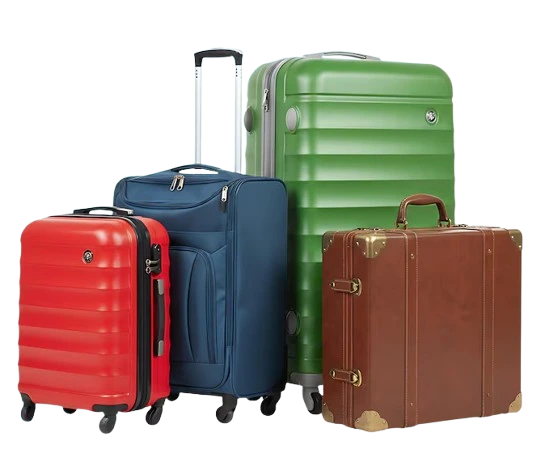
Your carry-on bag is the larger cabin bag stored in the overhead compartment. It can be a suitcase, duffel bag, or travel backpack as long as it stays within the airline’s size and weight limits.
Remember that wheels, handles, and side pockets are included when measuring your bag.
What Is a Personal Item?
A personal item is a smaller bag that fits completely under the seat in front of you.
Common examples include:
- Handbag
- Laptop bag
- Small backpack
- Camera bag
- Briefcase
Although Hawaiian Airlines does not publish exact dimensions, your personal item should fit comfortably under the seat without blocking the aisle or your legroom.
Does Every Fare Include Cabin Baggage?
Yes. Every Hawaiian Airlines fare includes:
- One carry-on bag
- One personal item
However, boarding order varies by fare type. Passengers boarding later may find overhead bin space limited, especially on busy flights.
Is There a Carry-On Weight Limit?
Yes. Hawaiian Airlines allows a maximum carry-on weight of 25 lbs (11.3 kg).
While every bag is not weighed, airport staff may ask passengers to check oversized or heavy bags that cannot be safely stored in the overhead compartment.
Packing lighter also makes it easier to lift your bag into the bin without assistance.
What Happens If Your Carry-On Is Too Large?
If your bag exceeds the allowed size or weight, Hawaiian Airlines may require you to check it before boarding.
Your bag may also be gate-checked if:
- Overhead bins become full.
- You’re flying on a smaller aircraft.
- The bag doesn’t fit safely in the cabin.
Keep medications, electronics, valuables, travel documents, and chargers in your personal item so they’re always accessible if your carry-on is checked.
Are Carry-On Rules Different on Interisland Flights?
The carry-on allowance is the same across Hawaiian Airlines’ network, including interisland, mainland U.S., and most international flights.
The main difference is aircraft size. Some interisland aircraft have smaller overhead bins, so gate-checking is more common even when your bag meets the published size limits.
What Can You Pack in Your Carry-On?
Most everyday travel essentials can travel in the cabin, including:
- Passport and travel documents
- Laptop and tablet
- Mobile phone
- Chargers
- Power banks
- Prescription medicines
- Jewellery
- Cameras
- Headphones
- One change of clothes
Keeping important items in your cabin bag is helpful if your checked baggage is delayed.
Can You Bring Liquids?
Yes, but all cabin baggage must follow TSA security rules.
Generally:
- Liquids must be in containers of 100 ml (3.4 oz) or less.
- Containers must fit inside one clear, resealable plastic bag.
- Baby formula, breast milk, and medically necessary liquids are usually exempt from these limits but may require additional screening.
Are Power Banks Allowed?
Yes. Power banks and spare lithium batteries must travel in your carry-on baggage and should never be packed in checked luggage.
If you’re carrying larger batteries for cameras or other equipment, check the airline’s latest battery requirements before departure.
Can You Bring a Musical Instrument?
Yes, if it fits within the standard carry-on size limit.
Larger instruments may need to be checked or transported on a separately purchased seat, depending on the aircraft and instrument size.
Traveling with Infants
Passengers traveling with infants can usually carry essential baby items such as formula, diapers, and baby food in reasonable quantities.
Strollers and child safety seats are generally accepted separately from your standard cabin baggage allowance, although policies may vary depending on the aircraft.
Common Travel Scenarios
Weekend Trip
A traveler packs a cabin suitcase and a laptop backpack. The suitcase goes in the overhead bin, while the backpack fits under the seat, allowing them to travel without checking baggage.
Interisland Flight
A passenger flying between Hawaiian Islands brings a cabin bag that meets the size limit. Because the aircraft is smaller, the bag is gate-checked before boarding and returned after landing.
Family Traveling with an Infant
Parents carry baby formula, medication, and travel documents in their personal item while checking the stroller at the gate.
Traveler with Camera Equipment
A photographer packs cameras, batteries, and lenses in a backpack that fits under the seat to keep expensive equipment nearby throughout the flight.
Tips for Hassle-Free Boarding
- Measure your carry-on before leaving home.
- Include wheels and handles when checking dimensions.
- Weigh your bag before arriving at the airport.
- Pack valuables and medicines in your personal item.
- Keep electronics easy to remove during security screening.
- Leave extra room if you plan to buy duty-free items.
- Review your itinerary if part of your trip is operated by another airline.
You may also find these guides useful:
- Hawaiian Airlines Baggage Fees Guide
- Hawaiian Airlines Seat Selection Guide
- Airline Carry-On Rules
- Carry-On vs Checked Bag Guide
- Airport Security Checklist
- TSA Liquids Rules Guide
Before You Fly
Before heading to the airport, make sure you have:
✔ Measured your carry-on, including wheels and handles.
✔ Packed one personal item that fits under the seat.
✔ Kept power banks in your cabin bag.
✔ Packed liquids according to TSA rules.
✔ Checked your booking for any partner-operated flights.
Key Takeaways
- Hawaiian Airlines allows one free carry-on bag and one free personal item.
- Carry-on bags must not exceed 22 × 14 × 9 inches and 25 lbs.
- Personal items should fit under the seat in front of you.
- Interisland flights follow the same cabin baggage rules, although gate-checking is more common on smaller aircraft.
- Liquids must follow TSA security requirements.
- Power banks must travel in carry-on baggage only.
- Rules may vary for partner-operated flights, so always confirm your allowance before departure.
Frequently Asked Questions (FAQs)
What is the Hawaiian Airlines carry-on size limit?
The maximum size is 22 × 14 × 9 inches (56 × 36 × 23 cm), including wheels and handles.
Can I bring both a carry-on bag and a personal item?
Yes. Every passenger can bring one carry-on bag and one personal item free of charge.
Are carry-on rules different for interisland flights?
The allowance is the same, but smaller aircraft may have limited overhead bin space, making gate-checking more common.
Are power banks allowed on Hawaiian Airlines?
Yes. Power banks and spare lithium batteries must be packed in your carry-on baggage.
Does Hawaiian Airlines have a carry-on weight limit?
Yes. Carry-on bags should not exceed 25 lbs (11.3 kg).
What happens if my carry-on is too large?
Oversized bags may need to be checked before boarding or at the gate, depending on the aircraft and available cabin space.
Can I bring liquids in my carry-on?
Yes. Liquids must follow TSA rules, with containers of 100 ml (3.4 oz) or less placed in a clear resealable bag.
Can I bring a musical instrument onboard?
Small instruments that fit within the carry-on size limit can travel in the cabin. Larger instruments may need to be checked or booked on a separate seat.
Last updated : July, 2026
Flytripinfo.com provides independent travel guidance and is not affiliated with Hawaiian Airlines.
Disclaimer: All information on Flytripinfo.com is provided for general travel guidance only. Hawaiian Airlines baggage policies, fees, and allowances may change without notice. While we strive to keep our content accurate and up to date, travelers should always verify baggage allowances, excess baggage fees, cabin baggage limits, prohibited items, and route-specific
 US +1-855-510-5187